Women's health · Care guide
Infertility care
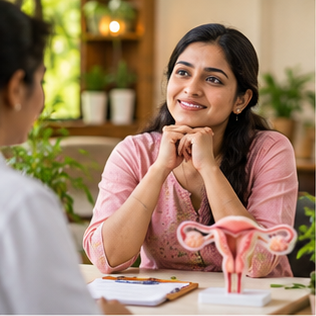
Fertility concerns can involve either partner, both partners, or have no clear cause at first. A careful assessment helps identify the right next step.
What it is
Fertility concerns can involve either partner, both partners, or have no clear cause at first. A careful assessment helps identify the right next step.
How it may develop
Pregnancy may take longer when ovulation is irregular, sperm count or movement is affected, the fallopian tubes are blocked, or conditions such as endometriosis or PCOS are present. Sometimes routine tests do not identify a cause. Fertility is a shared health concern, so assessment usually includes both partners.
Care and treatment options
- Arrange an assessment with a qualified fertility clinician; do not rely on symptoms alone to identify a cause.
- Testing and options depend on the findings. They can include treating an underlying condition, fertility medicines, surgery, or assisted conception such as IUI or IVF.
- Bring previous test reports and a list of medicines or supplements to the appointment. Ask about likely benefits, risks, costs, and alternatives before starting any treatment.
Learn more
Important: This page is general health information, not a diagnosis or personal treatment plan. Do not stop or replace prescribed care. Before starting Siddha medicines, supplements, or a procedure, discuss it with your treating clinician and share your complete medicines list.
Explore more
More areas of care
PCOS / PCOD
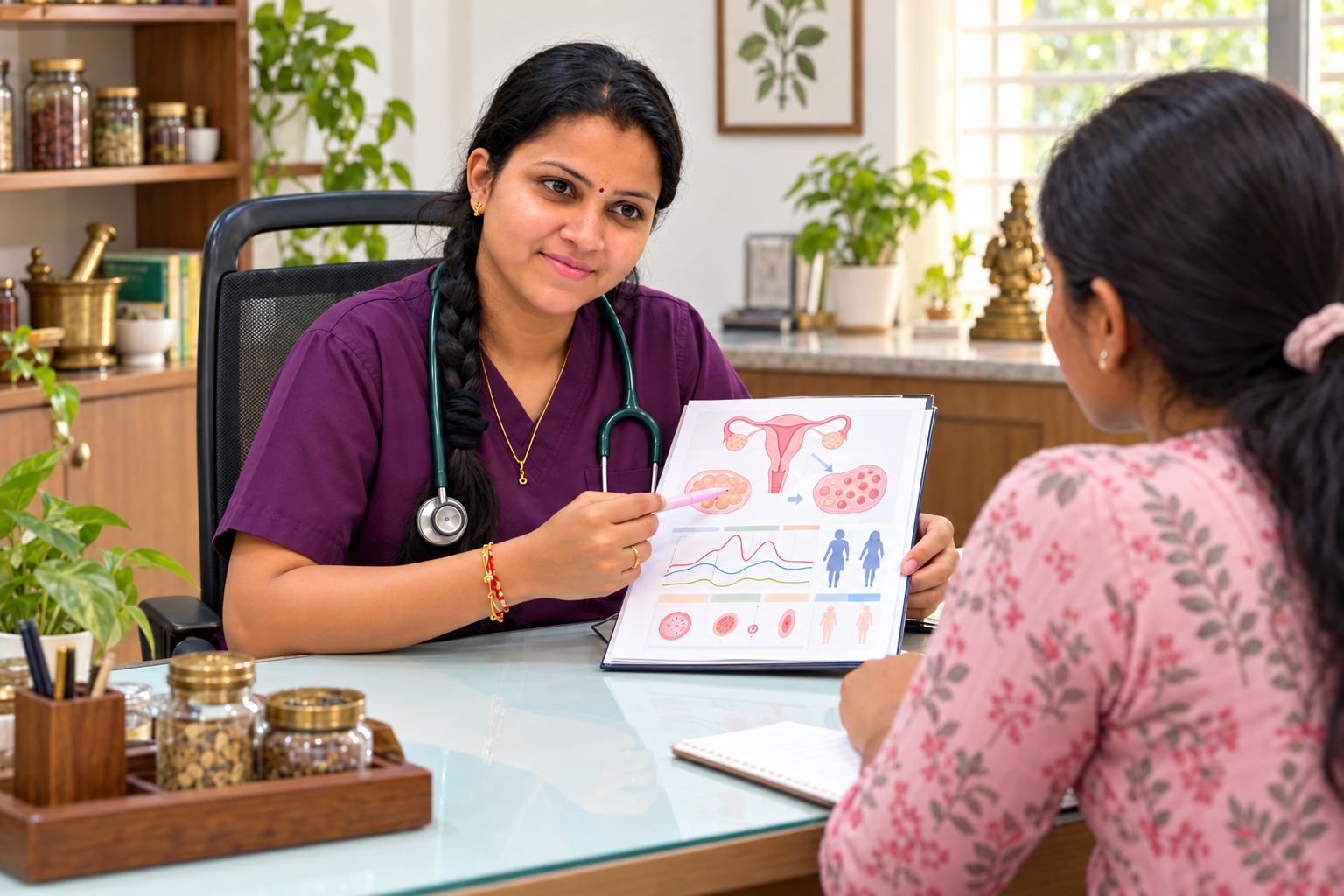
PCOD is a commonly used name for polycystic ovary syndrome (PCOS), a hormone condition that can affect periods, skin, hair, fertility, and metabolic health.
Read the care guide
Diabetes care
Diabetes has different types and causes. Blood tests and a clinician's assessment are needed to diagnose it and shape a safe care plan.
Read the care guide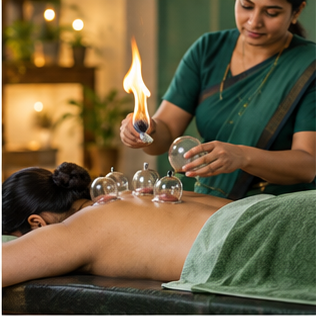
Fire cupping
Fire cupping is a traditional dry-cupping method that uses heat to create suction in a cup placed on the skin.
Read the care guide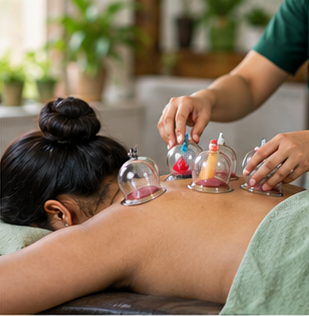
Hijama / cupping
Hijama usually refers to wet cupping, where the skin is pierced so a small amount of blood enters the cup. Dry cupping uses suction without piercing the skin.
Read the care guide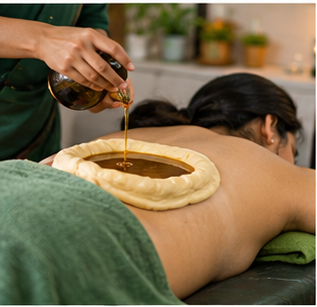
Kati Vasthi
Kati Vasthi is a traditional external therapy in which warm oil is retained over the lower back for a period of time.
Read the care guide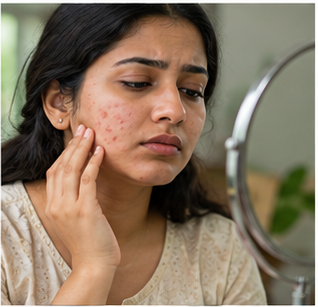
Skin problems
Rashes, itching, acne, pigment changes, and infections are different problems with different causes. An accurate diagnosis comes before choosing a remedy.
Read the care guide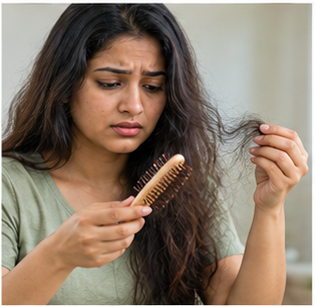
Hair fall
Hair shedding can be temporary or ongoing. The best next step depends on the pattern and the underlying cause, rather than a one-size-fits-all oil or supplement.
Read the care guide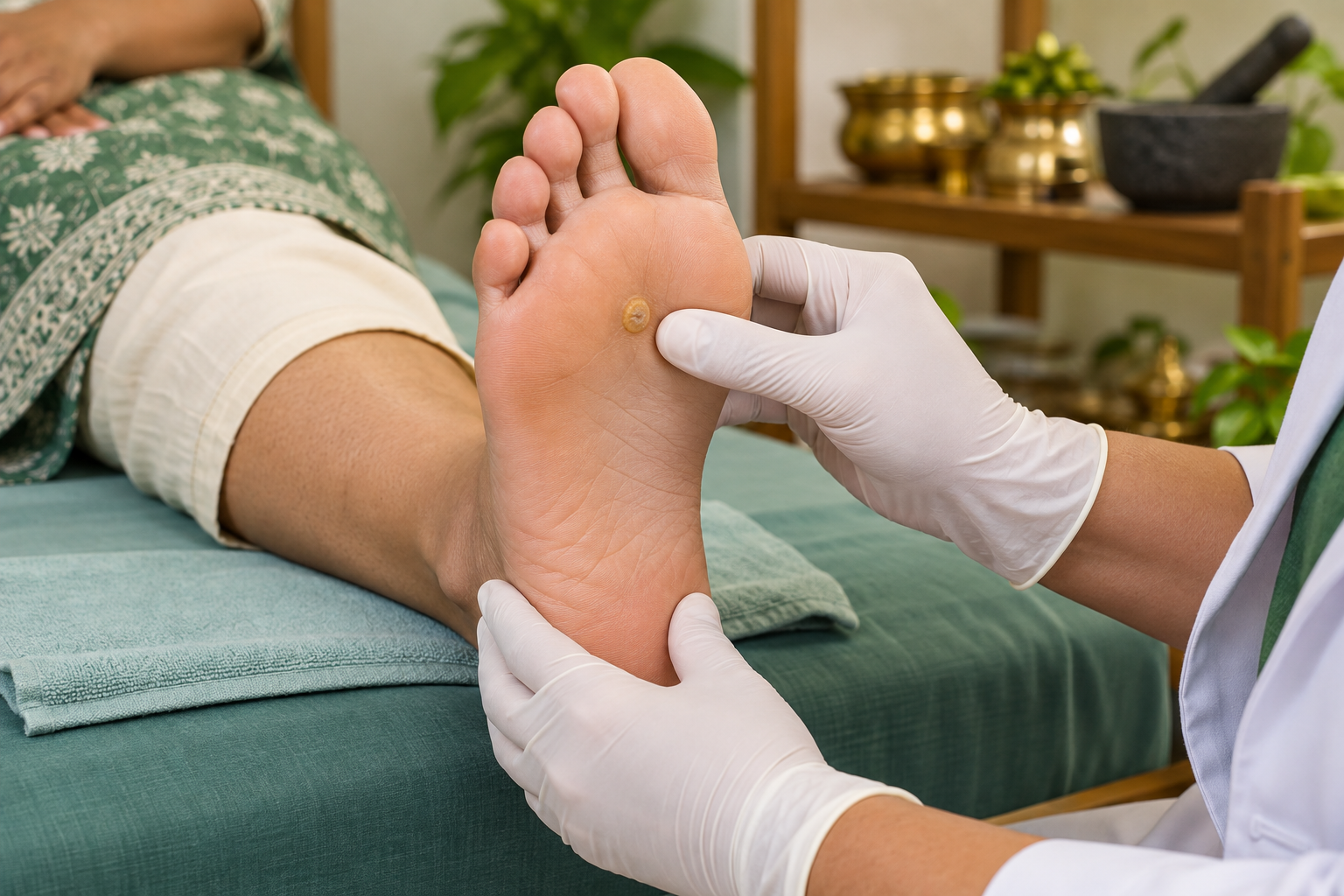
Corn on the foot
A corn is a small area of thickened skin that usually forms where repeated pressure or friction affects the foot.
Read the care guide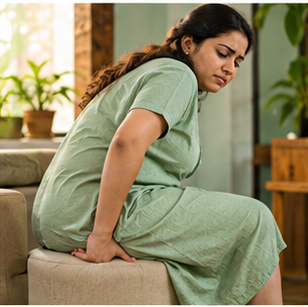
Piles (haemorrhoids)
Piles are swollen blood vessels in or around the anus. Bleeding or pain should not automatically be assumed to be piles.
Read the care guide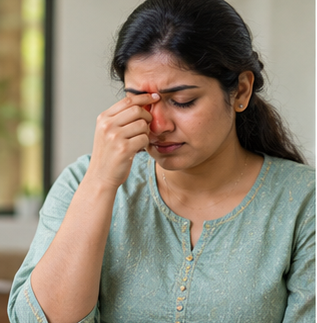
Sinusitis
Sinusitis is swelling of the lining of the sinuses, often after a cold or flu. Most short-term cases improve without antibiotics.
Read the care guide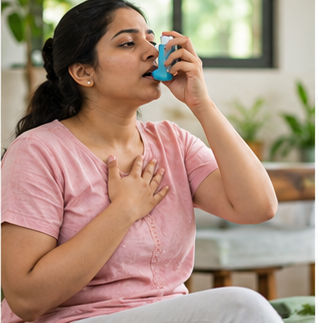
Wheezing and asthma
Wheezing is a symptom, not a diagnosis. It can occur with asthma and with other breathing or respiratory conditions.
Read the care guide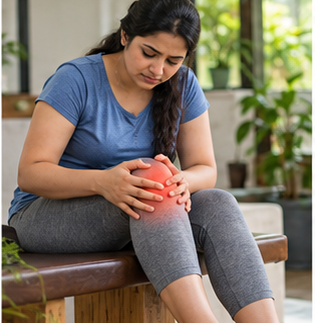
Joint pain
Joint pain can have many causes, including injury, inflammation, infection, or osteoarthritis. Care depends on which joints are affected and why.
Read the care guide
Weight management
Weight is influenced by health, biology, medicines, sleep, stress, food access, and daily routines. A safe plan should be realistic and individual.
Read the care guide
Autism support
Autism is a lifelong neurodevelopmental difference. Support should respect the person's strengths, communication, needs, and preferences.
Read the care guide